
Understanding Bioavailability in Dog Food: Raw vs Fresh vs Freeze-Dried
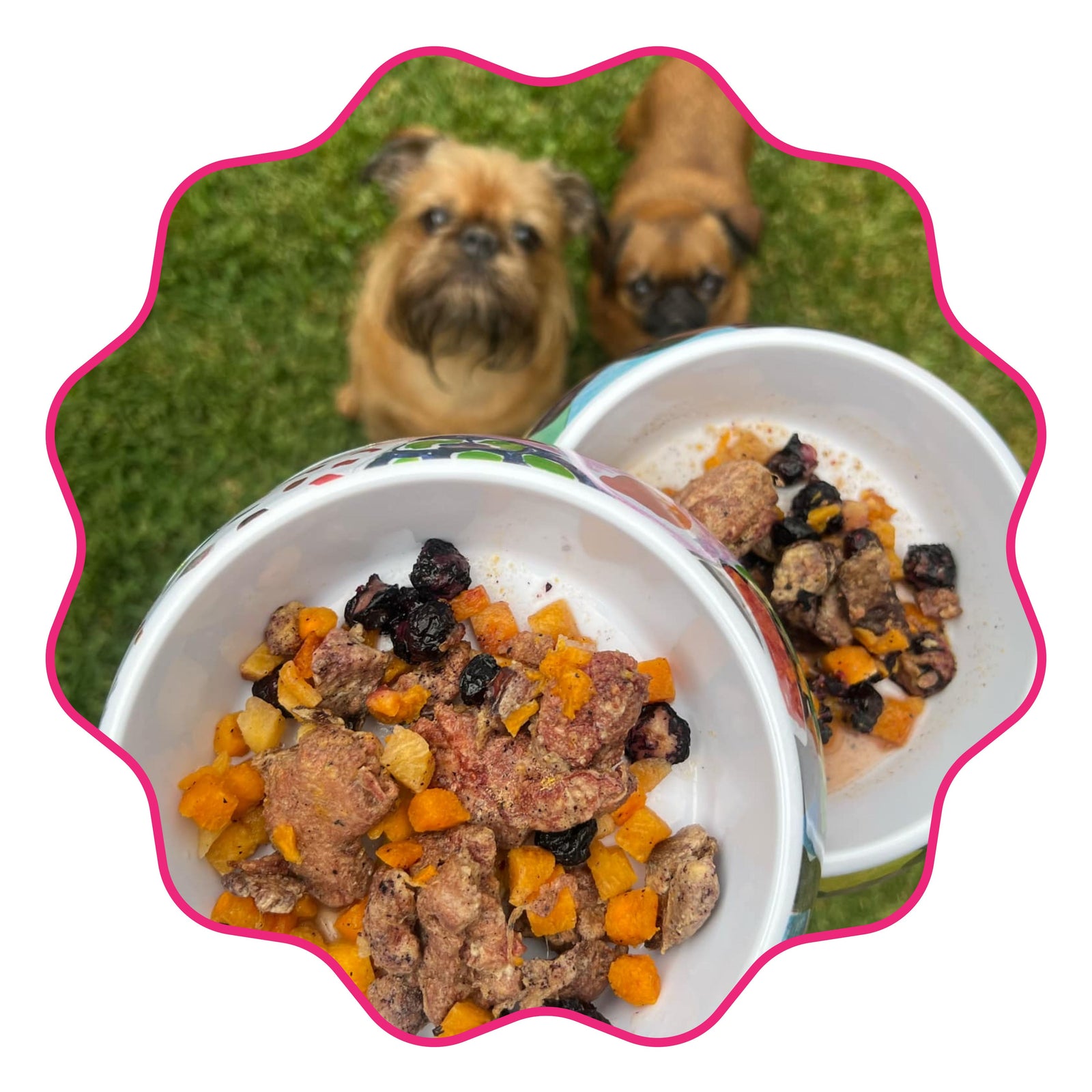

When we talk about feeding dogs well, protein usually takes centre stage. But the real question is not just how much protein is in the bowl, but how much of it your dog can actually use. This is where bioavailability matters.
Bioavailability refers to how efficiently nutrients are digested, absorbed, and made available to the body. For dogs, this influences muscle maintenance, immune function, gut health, energy levels, and long-term wellbeing. The way food is prepared, whether raw, fresh cooked, or freeze-dried, directly affects how accessible those nutrients become once digestion begins.
Why Bioavailability Matters in Dog Nutrition
Dogs need high quality proteins, but how well they can use those nutrients depends on bioavailability. Proteins are complex molecules that naturally fold into tight structures. How food is handled changes these structures. Research across animal nutrition consistently shows that light cooking improves protein digestibility. Gentle heat partially unfolds protein strands, allowing digestive enzymes to access and break them down more efficiently.
This matters for dogs because their digestive system works best when proteins are already loosened, rather than tightly bound as they are in raw muscle tissue. Studies using canine models and physiologically similar animals such as swine show that amino acid absorption tends to improve with mild heat treatment and decline when exposed to extreme temperatures, where protein damage and oxidation can occur.
This is why fresh, gently cooked diets have gained attention. Brands such as Lyka and Big Dog Pet Foods focus on minimally processed approaches that aim to improve digestibility without exposing ingredients to the high heat typical of ultra-processed pet food.
Raw Feeding: Benefits, Considerations, and Context
Raw diets are often chosen for their simplicity and minimal processing. When handled correctly, raw food can maintain nutrient integrity and provide highly palatable meals that many dogs enjoy. Some dogs also do very well on raw, particularly when meals are well balanced and carefully sourced.
That said, raw muscle tissue remains structurally intact, which can make it slightly harder for some dogs to fully digest and absorb protein. Research shows that raw foods may require more digestive effort, meaning not all nutrients are absorbed as efficiently. There are also practical considerations, including food safety, bacterial exposure, and suitability for households with vulnerable individuals.
Raw feeding is not inherently harmful, but it is not universally optimal. Digestive efficiency varies between dogs, which is why understanding preparation methods matters just as much as ingredient quality.
Fresh Cooked Diets: A Balanced Middle Ground
Fresh cooked diets aim to strike a balance between raw and heavily processed foods. Gentle cooking methods such as steaming, poaching, or slow cooking allow proteins to partially denature while preserving amino acids and overall nutrient quality.
Scientific studies show that meats cooked at moderate temperatures often deliver higher digestible amino acid availability compared to both raw and overcooked proteins. For dogs, this can translate into easier digestion, better nutrient uptake, and less metabolic strain.
This approach explains why fresh feeding has become increasingly popular among dog parents who want digestibility, safety, and nutritional integrity without extremes.
Where Freeze-Dried Fits In
Freeze-dried dog food and treats sit between raw and fresh cooked diets. Freeze-drying removes moisture at low temperatures, which helps preserve nutrients while disrupting muscle structure enough to improve digestibility when properly rehydrated.
Research in canine nutrition suggests that freeze-dried proteins can offer better amino acid absorption than heavily processed foods, while retaining more nutritional integrity than traditional kibble. Quality and processing standards matter, but when done well, freeze-drying provides a practical option that balances convenience and nutrition.
This is also where freeze-dried treats can play a meaningful role. Options like Laila and Me's Freeze Dried Treats allow dogs to benefit from minimally processed protein in a format that supports both nutrition and enrichment, especially when used thoughtfully in training, puzzle feeders, or slow feeding routines.
Understanding bioavailability helps explain why dogs respond differently to different diets, even when protein numbers look similar on paper. Lightly cooked foods tend to offer the most efficient protein absorption; well-made freeze-dried options provide a flexible middle ground; raw diets preserve nutrients but may not suit every dog equally.
As research continues to evolve, bioavailability is becoming a key focus in canine nutrition, shifting the conversation from labels and trends to how dogs actually digest and use what they eat. Feeding with intention means choosing foods that support not just fullness, but long-term resilience, vitality, and wellbeing.
Leave a comment
Comments will be approved before showing up.
as seen in